820RR Portugal Comeback: Double Victory
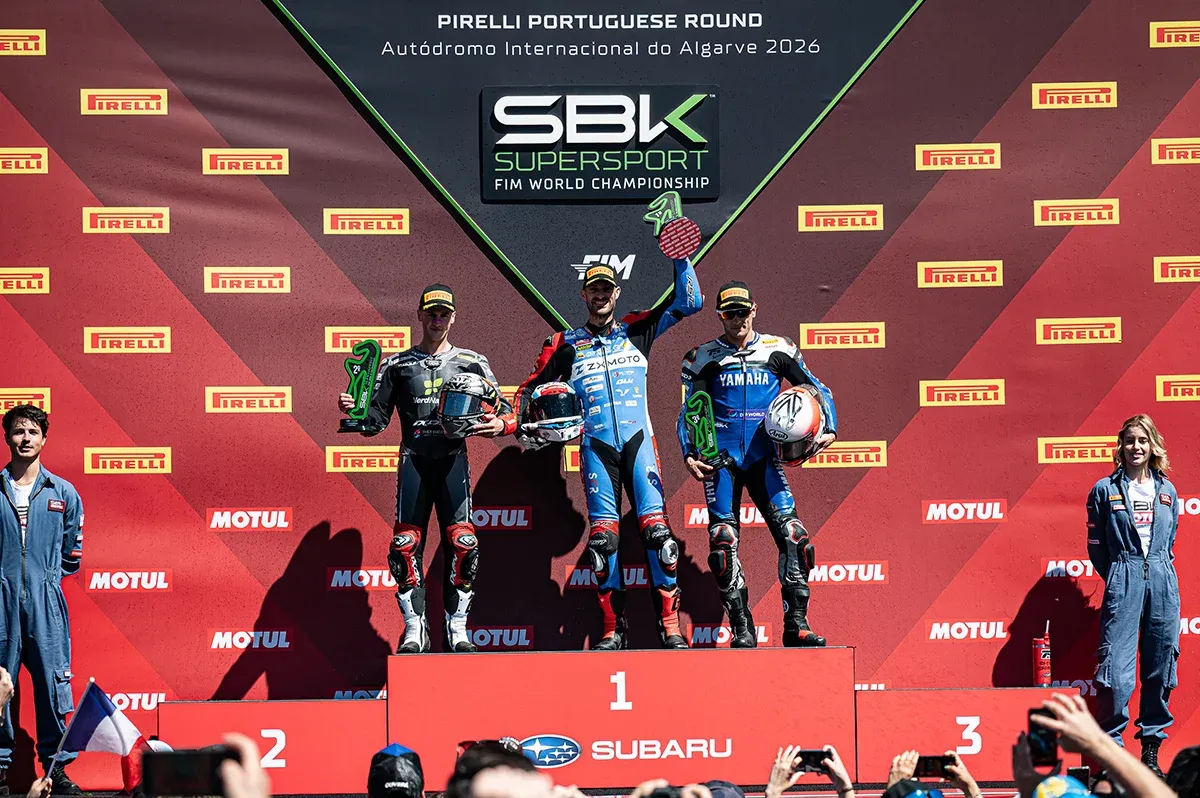
Paddock News: Race 2 Delivers the Real Story
If Race 1 showcased the 820RR’s raw capability, Race 2 proved its racing intelligence. A first-lap error, a calculated recovery, and a final margin of 6.3 seconds—this wasn’t domination through power alone. This was a masterclass in chassis engineering and race craft.
The Opening Lap Incident
Turn 1, Lap 1. The 820RR ran wide under aggressive braking, dropping from P1 to P4 in a heartbeat. Rival teams saw opportunity. The Yamaha R6 and Honda CBR600RR piled pressure into Turns 2 and 3.
But the recovery began immediately.
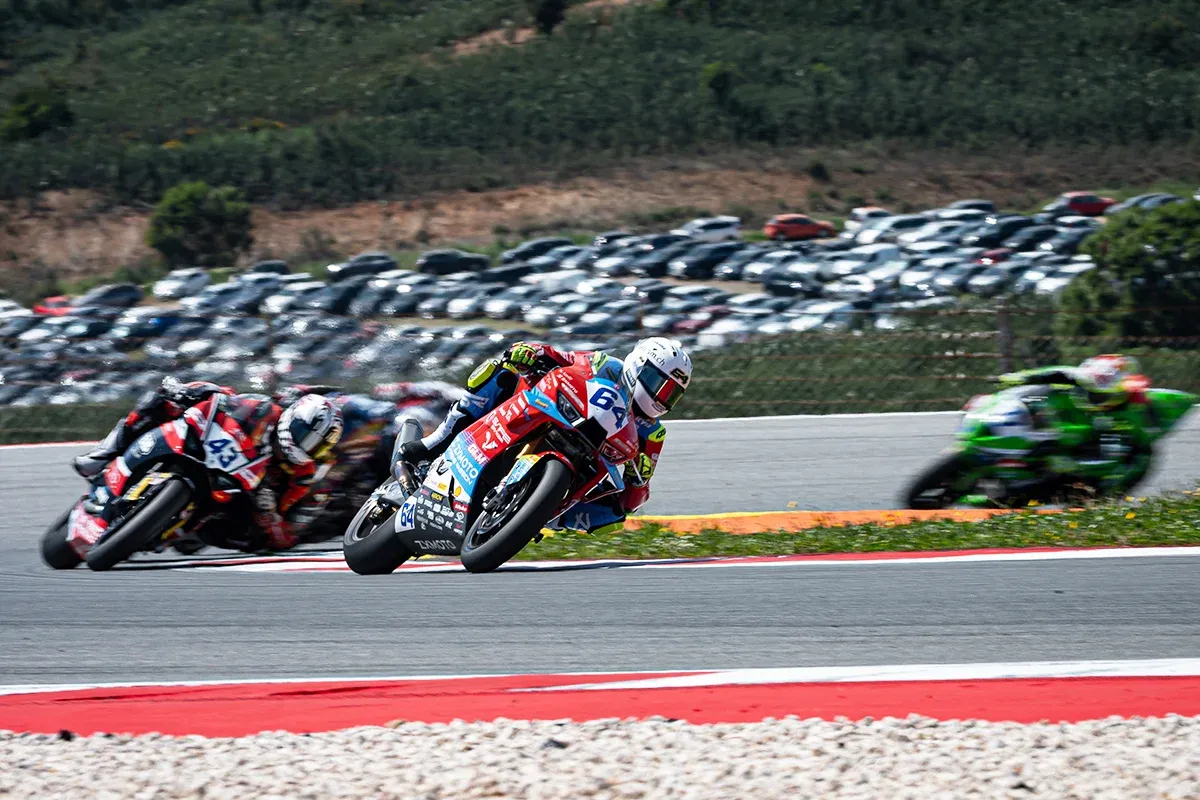 Fighting back through traffic after the T1 incident
What the telemetry reveals:
- Entry speed at T1: 248km/h (5km/h over optimal)
- Rear tire slip duration: 0.3s
- Recovery position by T4: P3
- Full position recovery: Lap 3, Turn 7
Chassis Tuning: The Hidden Advantage
The 820RR’s φ43 inverted front fork and multi-link rear suspension—both fully adjustable—provided the stability needed for high-intensity recovery laps.
When a rider pushes beyond optimal limits, chassis forgiveness determines outcome. The 820RR’s geometry allows:
- Progressive front-end feel under extreme braking
- Rear squat control that maintains drive traction
- Minimal steering correction through bumpy sectors
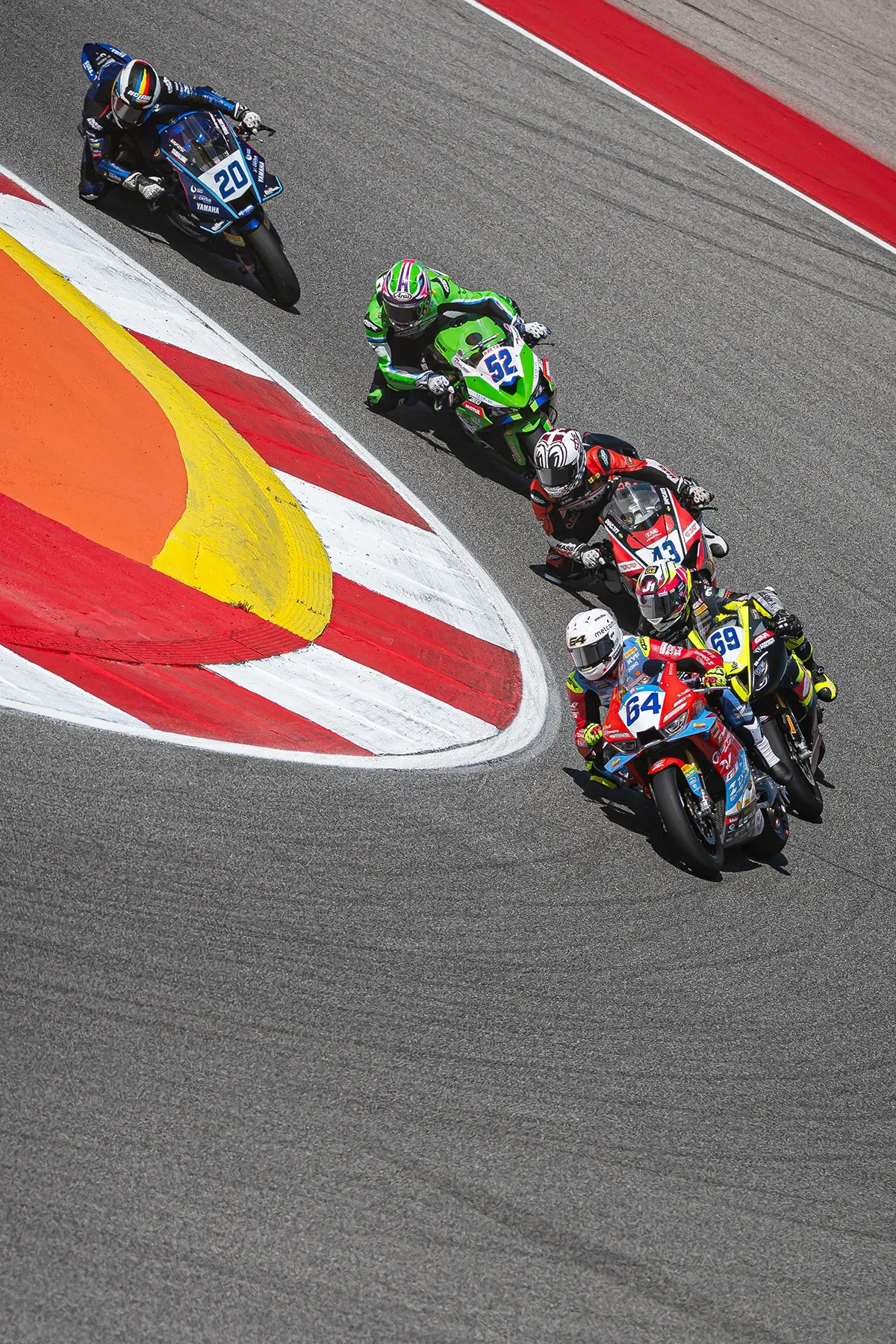 The 820RR’s chassis composure through the circuit’s demanding final sector
These aren’t theoretical advantages. They translated into real-time lap times during the recovery phase:
| Recovery Phase | Lap Time | Delta to Leader |
|---|---|---|
| Lap 2 (Recovery) | 1:43.8 | +0.4s |
| Lap 3 (P3) | 1:43.2 | +0.1s |
| Lap 4 (P1 regained) | 1:42.9 | Leader |
The Counter-Attack
By Lap 5, the 820RR had re-established P1. But the approach differed from Race 1. Instead of relying on straight-line speed, the rider exploited corner-entry precision—late braking, tight lines, minimum steering input.
The Yamaha R6 attempted a counter-move at Turn 13 (the final left-hander before the straight). The 820RR’s tighter apex left no passing lane. By the exit, the torque advantage stretched the gap to 1.2 seconds.
From there, the margin grew methodically:
- Lap 8: +2.1s
- Lap 12: +4.3s
- Final lap: +6.3s
Tire Management Strategy
Race 2’s warmer track temperatures (32°C vs 24°C in Race 1) demanded different tire management. The 820RR’s CST S7 rubber—specifically selected for Portimão’s abrasive surface—showed minimal degradation through the final sector.
Rival machines using alternative tire compounds reported:
- R6: Front-end fade from Lap 10
- ZX-6R: Rear grip loss at Lap 14
- CBR600RR: Neutral degradation, but insufficient pace
Rider Composure Under Pressure
The defining factor wasn’t machinery—it was decision-making. After the T1 error, the 820RR rider executed:
- Immediate throttle modulation (not panic brake)
- External line selection for clean air
- Progressive pace increase rather than desperate push
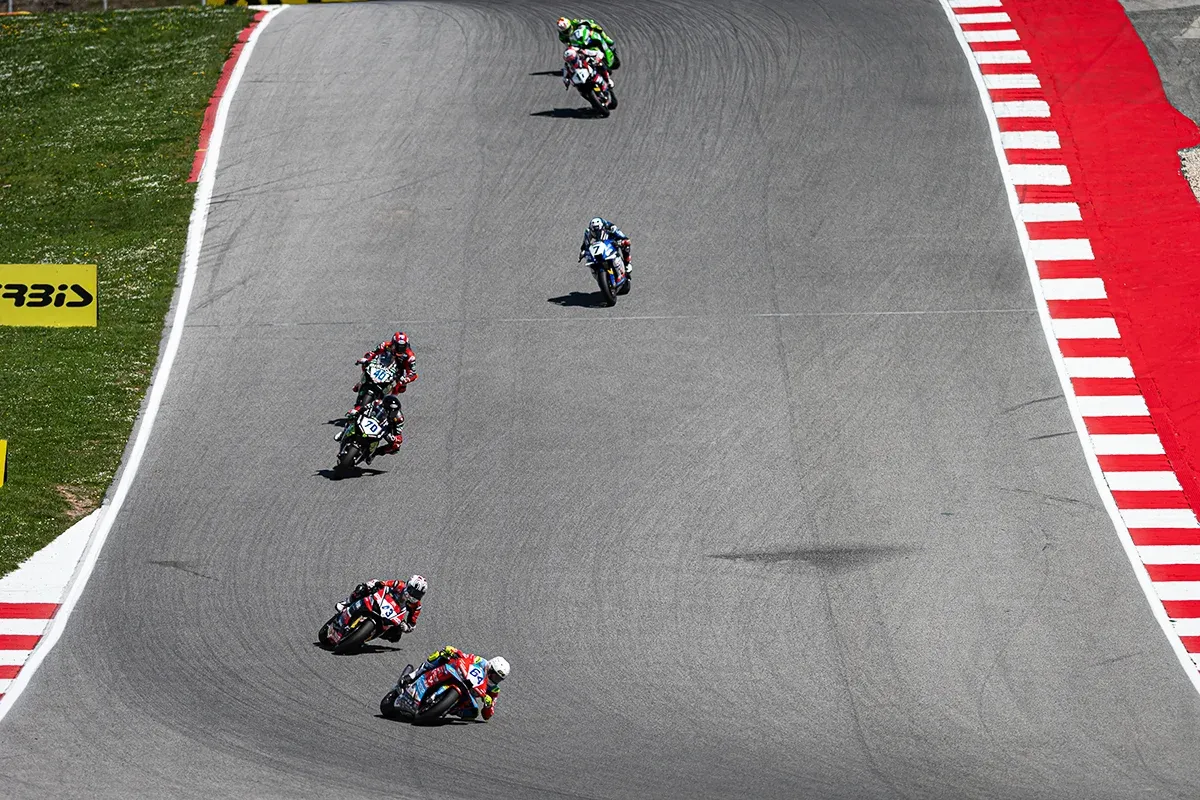 The 820RR stretching its advantage in the closing stages
This composure reflects the machine’s rider-friendly character. A nervous chassis amplifies mistakes; a stable platform enables correction.
Podium Sweep Implications
With Race 1 and Race 2 victories, ZXMoto leaves Portugal with maximum championship points. But the significance extends beyond the standings:
- The 820RR proved it can dominate from the front (Race 1)
- It proved it can recover from adversity (Race 2)
- Technical scrutiny confirmed regulatory compliance
For rival manufacturers, the data is clear: the 819cc triple isn’t a novelty—it’s a competitive platform that demands strategic response.
Looking Forward: Round 2 Assen
The Dutch TT at Assen presents different challenges—long straights, high-speed corners, and historically unpredictable weather. The 820RR’s torque advantage may prove even more decisive, but tire selection and weather strategy will define the outcome.
One week, two victories, one message: the Supersport landscape has shifted.